Duncan Garvie from BetBlocker Sounds Alarm Over Loopholes in Player Protection Systems
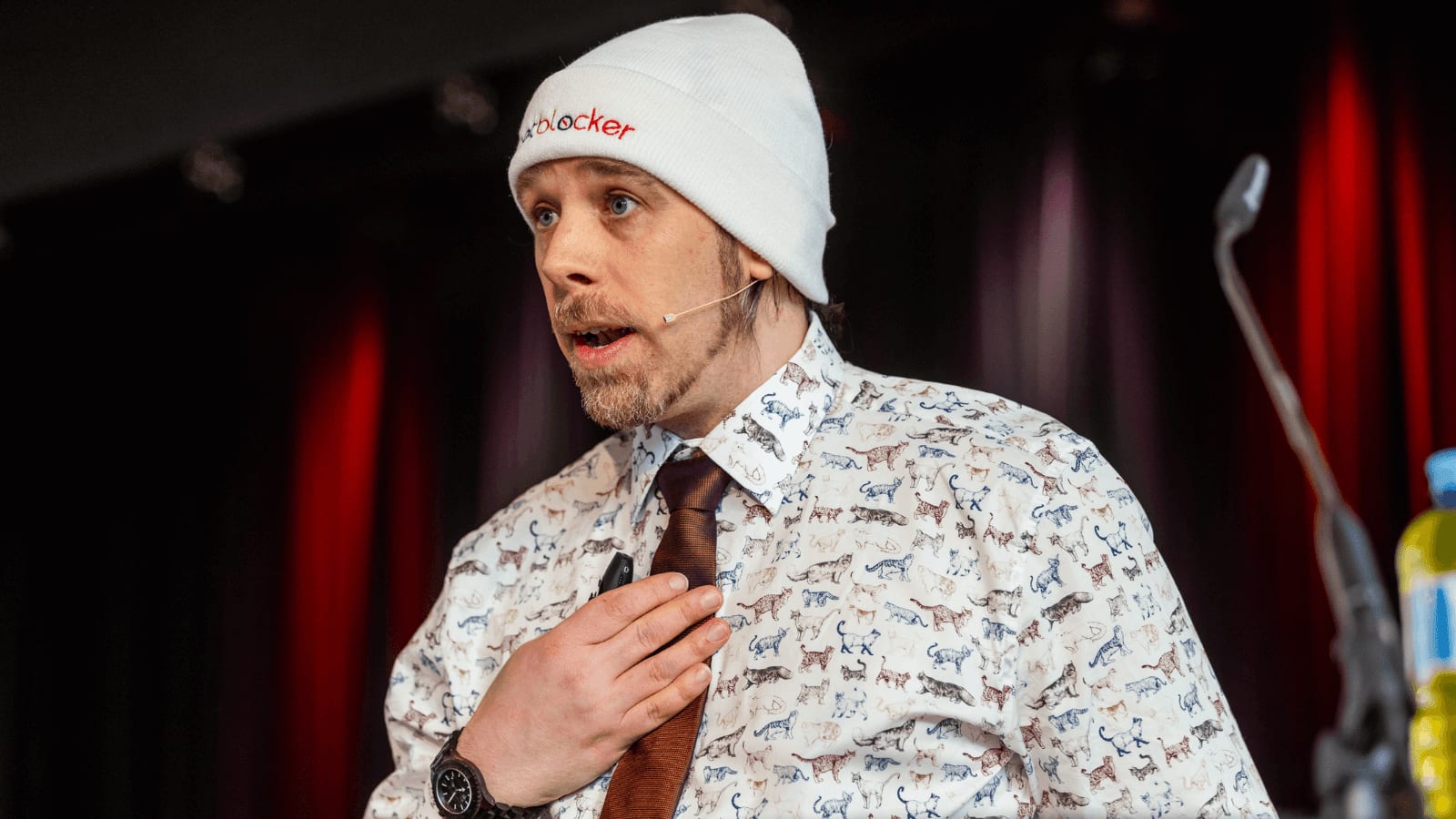
Duncan Garvie, founder of BetBlocker, warns that global responsible gambling systems are being critically undermined by illegal operators and fragmented regulation. In an exclusive interview with CasinoRank, Garvie calls for urgent reform in how the industry approaches self-exclusion, emphasizes the need for tools that extend beyond national borders, and outlines how partnerships and research can help close the gaps in current player protection efforts.
Player protection has become a central topic in iGaming regulation worldwide. From your perspective, what gaps still exist in how the industry handles self-exclusion and responsible gambling tools?
Duncan Garvie: There are still many gaps in the system, but the most significant — unquestionably — is illegal gambling.
The ease with which consumers can access unregulated sites severely undermines the effectiveness of any safeguards we implement in regulated markets. It creates a direct path for vulnerable players to bypass protections altogether.
We need to develop more effective methods of restricting and deterring illegal gambling operators before we can expect responsible gambling measures to truly succeed in legal markets. Otherwise, all we’re doing is pushing at-risk users straight into the hands of rogue operators.

With more countries moving toward regulation, self-exclusion systems are often national but limited in scope. How do you see third-party solutions like BetBlocker fitting into this patchwork of frameworks?
Duncan Garvie: National self-exclusion schemes are a critical part of any regulatory framework — but there are clear limitations to this model. These systems rely on the active participation of gambling operators to be effective, which means their ability to create friction is restricted to regulated markets only.
Beyond that, national self-exclusion schemes depend on users registering their personal details. If a user’s information changes, those restrictions can fail. That’s where BetBlocker comes in — it complements national systems by filling in the gaps.
BetBlocker doesn’t rely on cooperation from gambling operators, nor does it depend on user-entered data that could be altered. It simply blocks access to gambling sites at the device level.
That’s not to say blocking software should replace national self-exclusion. While both aim to reduce gambling harm, they meet different user needs. In fact, the two approaches work best when used together — each one strengthening the other’s effectiveness.
BetBlocker recently expanded in the US through your partnership with ROGA. What has this revealed about differences in responsible gambling approaches between North America and other regions like Europe or Latin America?
Duncan Garvie: BetBlocker’s approach to delivering our service remains consistent across all markets. Aside from translating the tool into the necessary languages to support each region, the core product stays the same, because the nature of gambling harm transcends cultural boundaries.
Differences in how markets respond to responsible gambling are largely driven by regulatory oversight. More mature markets with well-established regulators tend to impose more substantive requirements on the industry to safeguard consumers effectively.
Our partnership with ROGA in the US represents a paradigm shift for the American market. ROGA holds significant influence over its member organizations, and their support of BetBlocker means our service will be signposted to tens of thousands more people. This will greatly expand our reach to those who need support, and the societal benefit for Americans cannot be overstated.
You’ve also invested in accessibility with new language support, including African and European markets. Beyond translation, what challenges do you face in making responsible gambling tools culturally relevant and effective?
Duncan Garvie: The challenges BetBlocker faces in engaging users are less cultural and more communication. If we can make communities aware of the support we offer, uptake quickly follows. We’re a relatively small charity delivering a vastly outsized level of support for the funding we receive. We’re not likely to ever have the funding to run major marketing campaigns in any country, never mind every country in the world. So the biggest challenge for us in any country is always making people aware of our service, and we look to partnerships regional stakeholders to help with that.
After that translating is the action that we can take that makes the biggest difference in reaching a community. The nature of blocking software is such that set-up requires users to change some system setting manually. This can be a little challenging for users, especially if they’re not confident in the language the instructions are delivered in. Where we translate the service, we substantially reduce friction for users setting-up a block.
And translation serves an additional purpose. It says to communities that BetBlocker isn’t just available to you, it’s for you. And that’s a powerful inclusionary message.
Your collaboration with UNLV highlights the importance of academic validation. How can research help move responsible gambling beyond compliance into a more data-driven, proactive approach?
Duncan Garvie: Academic evaluation of any support is critical. While many strategies sound good in theory, without robust evaluation of outcomes, we’re just guessing — and that can result in underwhelming or even detrimental social consequences, despite good intentions
The process of research and review broadens our overall understanding of gambling-related harm. Without this kind of insight, we’re left operating on best guesses about what actually delivers the best outcomes for those we aim to support.
Truly independent assessment of how users engage with blocking software — and how this impacts their outcomes — is essential if BetBlocker is to provide the most effective support. That’s why we’re committed to supporting academically led research into both blocking technology and gambling behaviours more broadly.
With over 70,000 users connected to our servers at any given time, BetBlocker represents exactly the kind of cohort academic researchers need to reach to advance their studies — and we’re actively open to helping them access this population.
We’re currently collaborating with the University of Nevada, Las Vegas on a major research initiative, and we’ve recently concluded a project with the University of Sydney. We also invite any other academic institutions or researchers who believe access to our user base would benefit their work to get in touch.
Looking ahead, what do you see as the next big step for responsible gambling tools—AI personalization, deeper integrations with operators, or something else entirely?
Duncan Garvie: That’s a very big question to try and answer.
While I’ve yet to be truly blown away by AI, I do believe it’s still in its infancy. It’s impossible to predict what this technology will be capable of in five years — but I do believe it will radically change the world. The potential for AI to fundamentally reshape our understanding of gambling harm — and how we address it — is significant.
Whether that potential turns into real-world benefits remains to be seen. But what I am more confident in is the growing importance of personalization.
The ‘nanny state’ approach to public health — where friction is imposed to prevent harmful behaviors — only works when that friction can be meaningfully applied. The ease with which consumers can access black-market gambling renders many of those traditional levers ineffective.
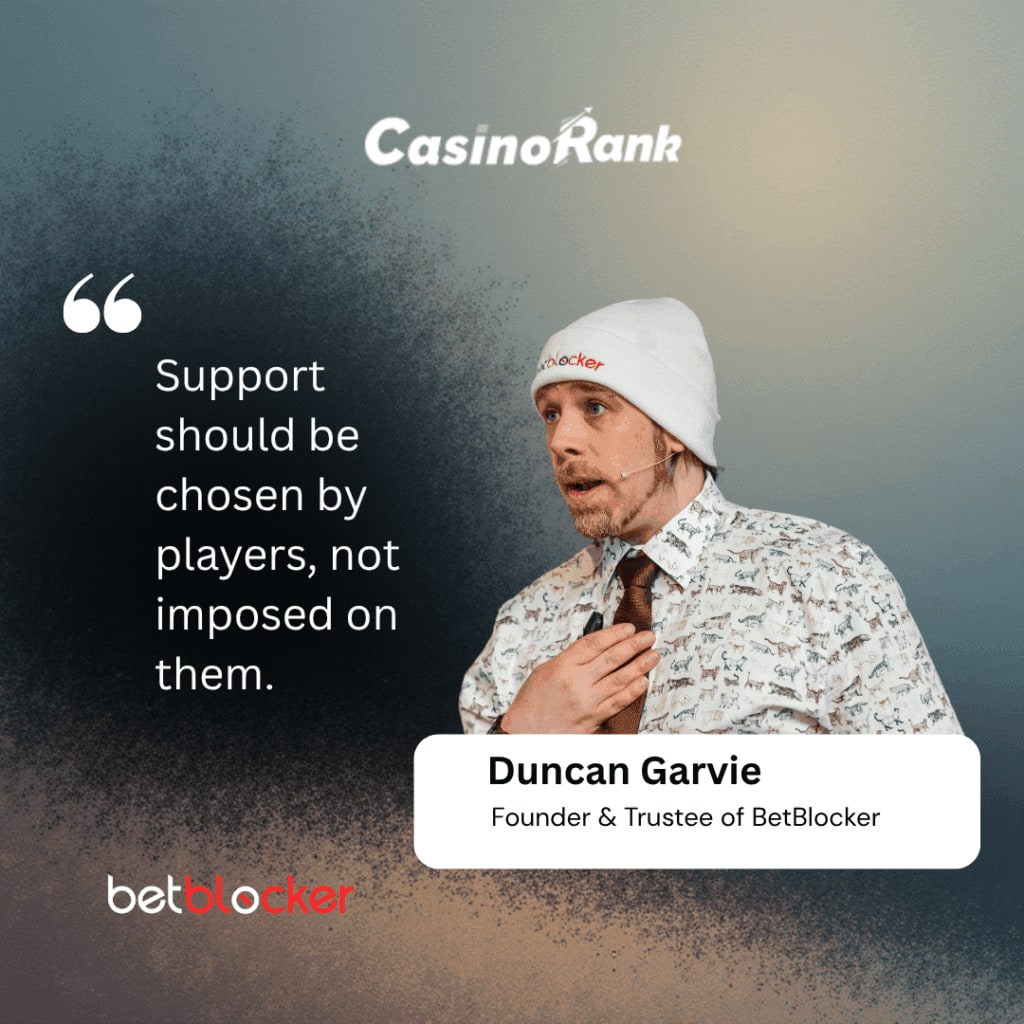
Our most effective strategy, then, is to focus on education — helping people manage their own engagement with gambling in a healthier, more informed way. That means meeting players where they are, and offering support they actually want — not prescribing what we think they need.