Santos Bet Probe Sparks Market Integrity Fears
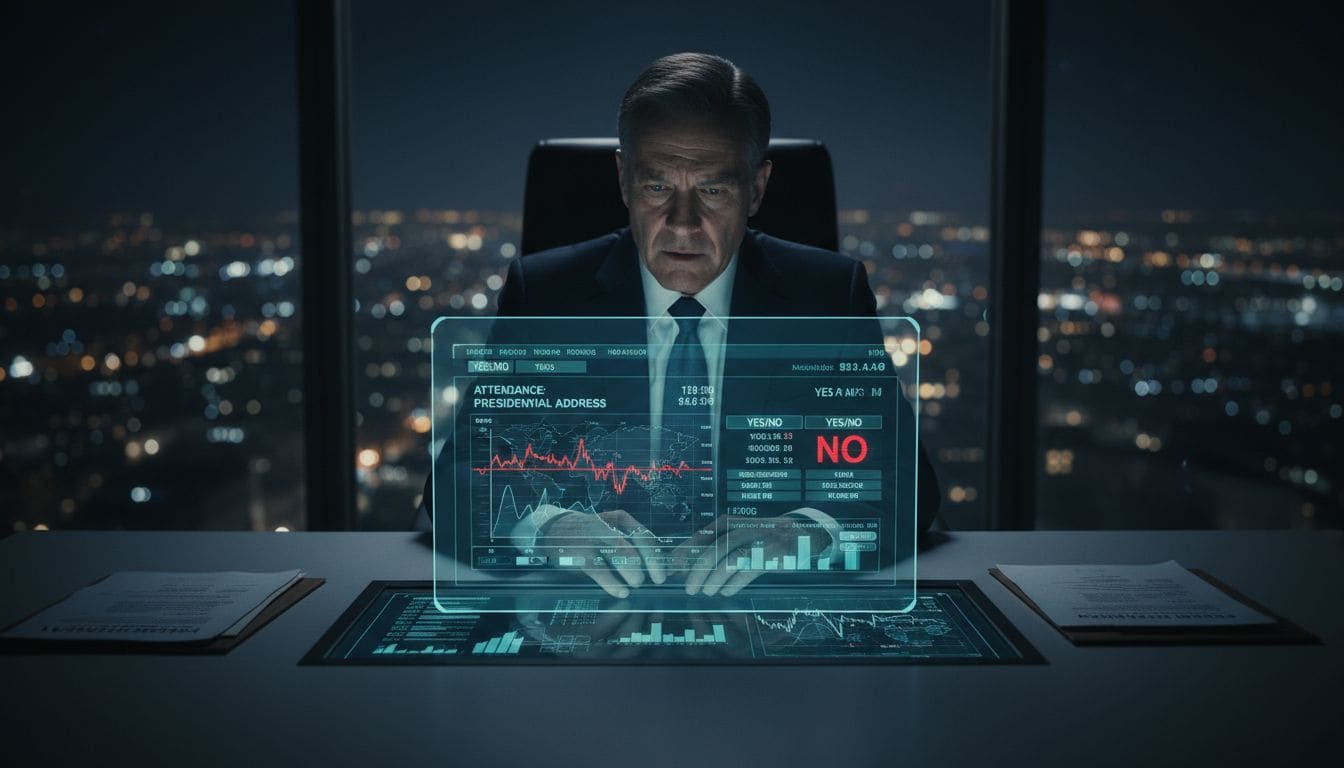
A federal investigation into former Rep. George Santos’s activities on a prediction market platform has intensified discussions about market integrity and the potential for insider trading.
Key Takeaways
* Former Congressman George Santos is under federal scrutiny for allegedly placing bets on his own actions in a prediction market.
* The platform, Kalshi, detected unusual trading patterns and alerted regulators, leading to inquiries from the Department of Justice and the Commodity Futures Trading Commission.
* This case underscores broader concerns within the betting landscape regarding manipulation risks and the need for robust regulatory oversight in prediction markets.
Federal Probe Targets Santos’s Prediction Market Wagers
Federal investigators are examining transactions involving former US lawmaker George Santos on the prediction platform Kalshi. The inquiry centers on allegations that Santos bet against his own public statements regarding his attendance at President Trump’s State of the Union address, potentially leveraging private information for financial gain. This situation draws renewed attention to the operational risks within prediction markets, a sector of the broader betting industry.
According to a report from NPR, Kalshi’s internal systems identified irregular trading activity and subsequently froze the account before notifying regulatory bodies. Both the Department of Justice and the Commodity Futures Trading Commission have initiated inquiries, suspecting potential insider trading. Santos’s prior convictions for federal wire fraud and aggravated identity theft likely contributed to the heightened scrutiny in this new matter.
Details surrounding this suspected insider trading case are under review. Before the State of the Union address, Santos had posted a video on social media confirming his intention to attend, a statement that influenced related prediction markets. However, he later published another clip on X, suggesting he had missed his flight and would be unable to attend. It is alleged that Santos subsequently increased his position on “no” contracts on Kalshi, profiting from his unexpected absence. The platform’s recently updated insider trading detection measures appear to have been activated, leading to the current investigation. Santos currently faces no formal charges as the probe remains ongoing, but the former New York congressman’s history of legal issues could be a factor in the ongoing examination.
Broader Implications for Betting Markets
This case extends beyond a single individual, highlighting significant implications for the rapidly expanding prediction market sector. These platforms, which allow users to wager on outcomes ranging from political elections to geopolitical events, are seen by some as valuable tools for aggregating information. However, critics argue they create incentives for manipulation, particularly when individuals with inside knowledge are involved. This concern resonates across the gambling industry, where the integrity of the game is paramount.
Recent incidents have fueled this ongoing debate. Regulators have previously addressed campaign staffers misusing private polling data, and other investigations have focused on suspicious trades linked to US operations in Venezuela and Iran. These cases collectively raise questions about fairness when participants control or have prior knowledge of event outcomes.
Lawmakers are already taking notice. Some have advocated for more stringent limits on the types of events available for trading, especially those involving government actions or national security. Others have questioned the appropriateness of allowing individuals directly involved in an event to participate in related markets. The outcomes of these discussions could shape the future regulatory landscape for prediction markets and potentially influence oversight across other forms of online betting.