No More Betting Logos, Big Financial Questions for Premier League Clubs
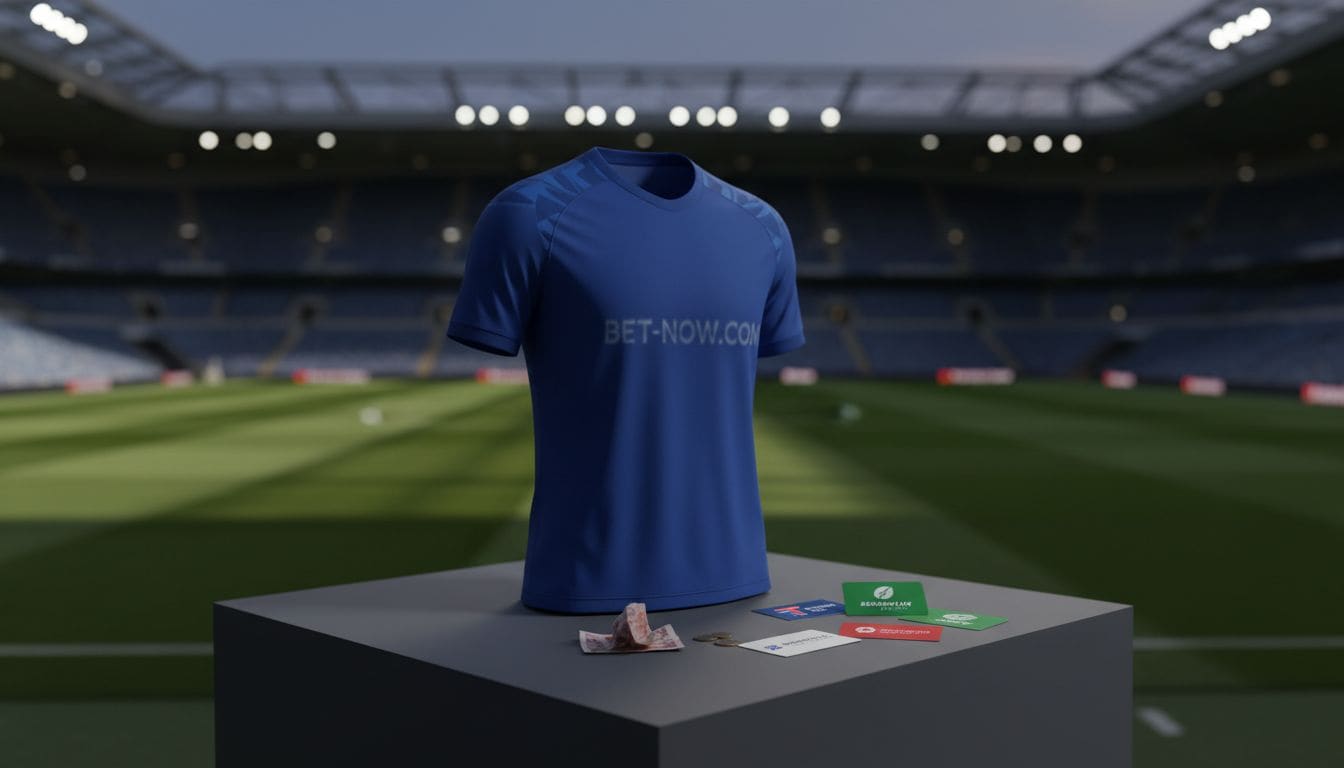
Premier League clubs are navigating a new commercial landscape as front-of-shirt gambling sponsorships conclude next season, prompting a search for alternative revenue.
Key Takeaways
* Premier League teams must secure new primary sponsors following the ban on gambling company logos from matchday shirts.
* Smaller clubs, which previously relied heavily on betting brand deals, face particular financial challenges in replacing lost income.
* Both football clubs and the gambling industry are adjusting their strategies to align with evolving advertising regulations and fan engagement methods.
Premier League’s Sponsorship Shift
The Premier League, a major platform for global brand visibility, is undergoing a notable change. Starting next season, gambling company logos will no longer feature on the front of matchday shirts. This adjustment is already influencing club budgets, as securing suitable replacement sponsorships is proving more complex than initially anticipated.
For years, betting brands invested heavily in shirt space, recognizing its value. These placements offered broad visibility, reaching millions of fans globally, and served to bolster brand presence within the sports landscape. For clubs operating outside the top tier of the league’s financial structure, these agreements were often crucial for maintaining competitive operations. Replacing this specific revenue source now presents a challenge.
Financial Implications for Clubs
Clubs such as West Ham United, Fulham, and AFC Bournemouth may experience a more pronounced effect. Without the extensive global appeal of the league’s most prominent teams, these clubs frequently depended on sponsorship agreements with gambling companies. These deals often provided higher financial returns compared to traditional corporate sponsors. Initial discussions with potential new partners indicate a discrepancy, with new agreements potentially yielding less than half the value for some teams.
Brands from sectors outside gambling are demonstrating more caution. They show less willingness to commit substantial funds to sponsorships and often apply stricter criteria when selecting which clubs to support. In contrast, the EFL Championship, the second tier of English football, operates without a similar restriction. Clubs in this league continue to rely on gambling sponsorships, which offer brand exposure within a competitive yet less regulated environment.
Adapting to New Advertising Standards
The Premier League’s decision aligns with increasing discussions regarding the prevalence of betting advertisements, particularly concerning younger audiences. Critics have pointed to the continuous exposure to gambling promotions across shirts, broadcasts, and digital platforms, suggesting it blurs the distinction between sports and wagering. The league’s move to remove such content from the most visible space addresses some of these concerns without severing all ties with the betting sector.
Clubs retain various commercial avenues. Sleeve sponsorships, training kit endorsements, and digital marketing campaigns remain viable alternatives, often proving effective in reaching fan bases. A growing number of clubs are also developing more content-driven approaches, including behind-the-scenes footage, social media clips, and player-focused narratives. This evolution provides sponsors with new opportunities to connect with fans beyond the matchday experience.
The gambling industry is also undergoing a rapid adaptation. Some operators are exploring alternative user acquisition methods, such as free-to-play games and informational platforms, which prioritize user interaction over direct wagering calls. This strategy mirrors how other regulated industries have adjusted to tighter advertising guidelines, modifying their promotional methods rather than withdrawing entirely from the market. This shift highlights a broader trend in how betting brands engage with potential customers in an evolving regulatory landscape.