Leonid Turok, Gofaizen & Sherle: Navigating the New Rules of Global iGaming Regulation

Leonid Turok, Principal and Head of iGaming & Forex Divisions at Gofaizen & Sherle, is a leading voice in the evolving world of iGaming regulation. With extensive experience advising operators across multiple jurisdictions, he has a front-row view of how licensing models, compliance standards, and market dynamics are rapidly shifting on a global scale.
In this CasinoRank interview, he shares expert insights into the end of the “easy” licensing era, the rise of alternative jurisdictions, and the growing importance of robust compliance and banking infrastructure. Drawing from real-world advisory work, Turok explains how these changes are reshaping operator strategies while also improving transparency, trust, and overall player experience in the industry.
Based on your experience, which recent regulatory developments have had the greatest impact on how online casinos operate and engage with players in practice?
Leonid Turok: The major tectonic shift we’re seeing is the end of the “cheap and easy” era in Curacao with The LOK reform driving regulatory changes and triggering massive exodus of operators. At Gofaizen & Sherle, we see the market splitting: one segment is migrating to Anjouan, which has become the new ‘safe harbor’ for those prioritizing speed, while another is seeking more ‘boutique’ yet stable jurisdictions like Tobique.
This fundamentally changes the rules: operators can no longer exist in a vacuum. Even in alternative zones, you now have to build real compliance structures. In practice, this means fewer “empty” fly-by-night brands. For the player, this is a net positive—a license is no longer just a piece of paper; it represents a verified ownership structure and active AML oversight.
When iGaming companies plan to enter new markets, which legal or licensing challenges are most often underestimated—and how can this affect players down the line?
Leonid Turok: The most common mistake is believing the marketing promises of regulators. Take Tobique, for example: the regulator might promise a license within a month and a UK EMI account out of the box. In reality, the projects we handle usually take 3 to 4 months from A to Z. Or look at Anjouan: getting the license is the easy part; setting up stable payment processing for it is a fine art.
When an operator underestimates these timelines, they launch with “raw” or halfbaked processes. Another pitfall is banking. You can secure a Tuvalu license in a month, only to realize that no reputable bank wants to touch it. For the player, this turns into a nightmare: withdrawal delays, limited payment methods, and sudden account freezes. We always tell our clients: a license without a ready banking solution
How do highly regulated vs. less regulated iGaming markets impact player protection, transparency, and trust?
Leonid Turok: There’s a myth that high regulation—like in Germany or Sweden—is always a paradise for players. In reality, over-regulation often kills the fun with strict limits and bland bonuses. In less-regulated zones like Anjouan or Costa Rica, trust is built on market reputation. We see progress here too: Anjouan is gradually tightening its requirements to avoid FATF Gray lists. While you don’t have the same “social safety net”’ as in the EU, the market is self-cleaning.
Today, even offshore operators know that cheating a player means losing access to top-tier software and payment rails. Transparency is now enforced by technology: fair mechanics and public community feedback often work faster than bureaucratic commissions that take six months to review a single complaint.
As regulatory frameworks continue to evolve globally, which compliance areas do you believe will require the most adaptation from iGaming operators to meet both regulatory and player expectations?
Leonid Turok: The priority is Identity Management, frictionless KYC, and Crypto-compliance. Regulators are tightening AML screws, but players hate long, intrusive checks. The winning operators will be those who can verify a player’s identity and source of funds in 15 minutes, not 3 days.
Another massive challenge is adapting to new AI requirements. Regulators will soon demand algorithmic accountability—how do you identify problem gamblers? How do you detect fraud? Operators will have to evolve from gambling companies into full-scale IT hubs with deep data expertise. Those used to running things ‘on the fly’ simply won’t pass the coming audits.
In a recent Sigma.world article, you discussed the growing role of alternative iGaming jurisdictions like Costa Rica. What’s driving operators to these markets, and what does this mean for player safety, transparency, and service quality?
Leonid Turok: As I noted for SiGMA, the driver is the search for a balance between speed and legitimacy. A business cannot wait a year for a response from Malta. For the mass market, Anjouan is the current leader—it’s a clear and fast entry point. Those who want an ‘all-in’ solution and have the budget choose Tobique or Liberia. Yes, the license costs €36,000 and €50,000 accordingly, but in return, you face almost no issues with banking and payment solutions, and the lead times are very tight.
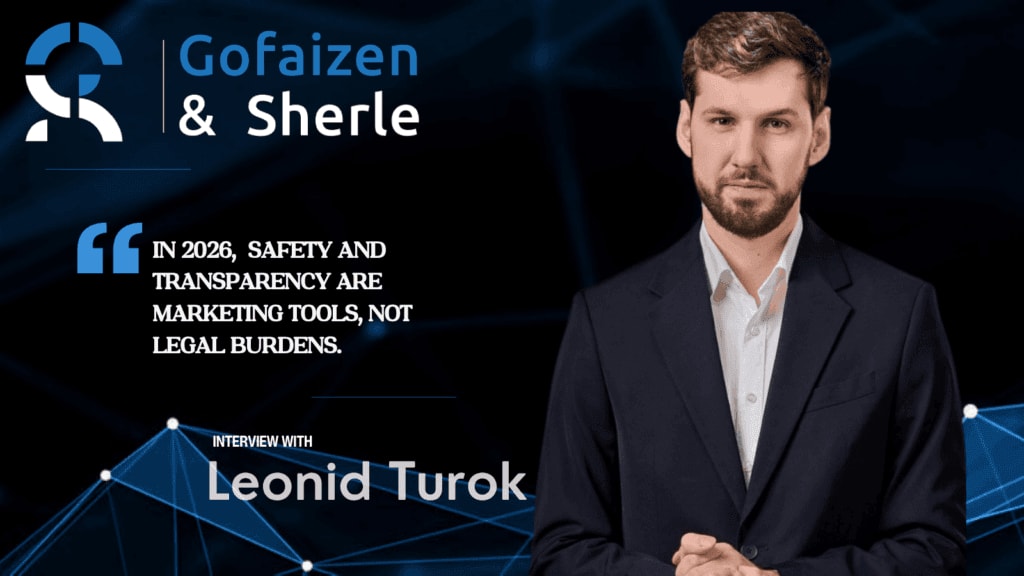
Tuvalu remains an option for those who needed a license ‘yesterday’ but are prepared to handle the fiat banking hurdles themselves. For players, this trend means more choice and innovation. Operators in these zones are forced to provide better service and bonuses to stand out. In 2026, safety and transparency are marketing tools, not just legal burdens. Players are smarter now; they check licenses and community reviews faster than they make their first deposit. Alternative jurisdictions are providing the freedom and product quality that the “Old World” can no longer offer.